
Yacht racing has come home – 16 June, 2026
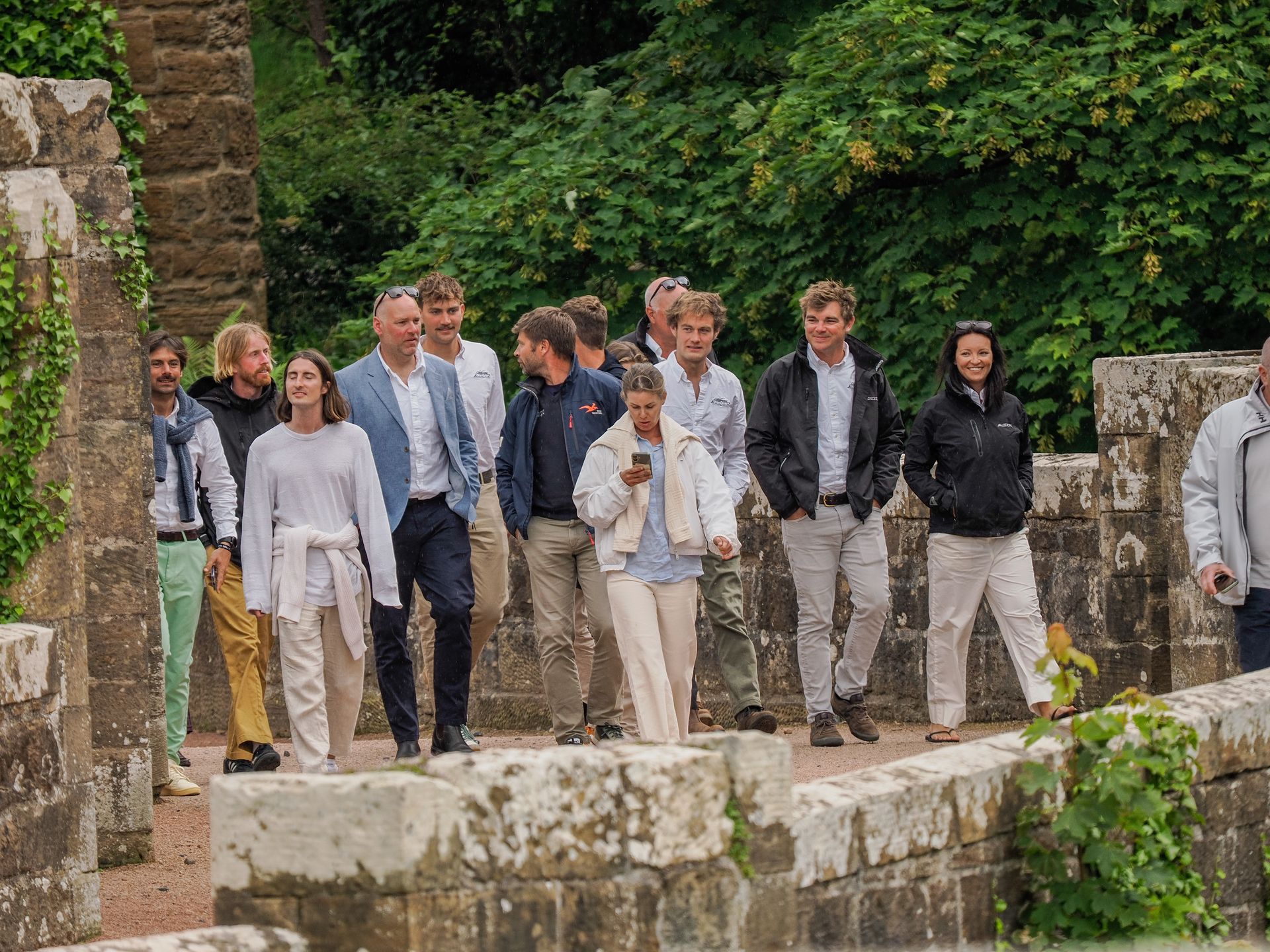
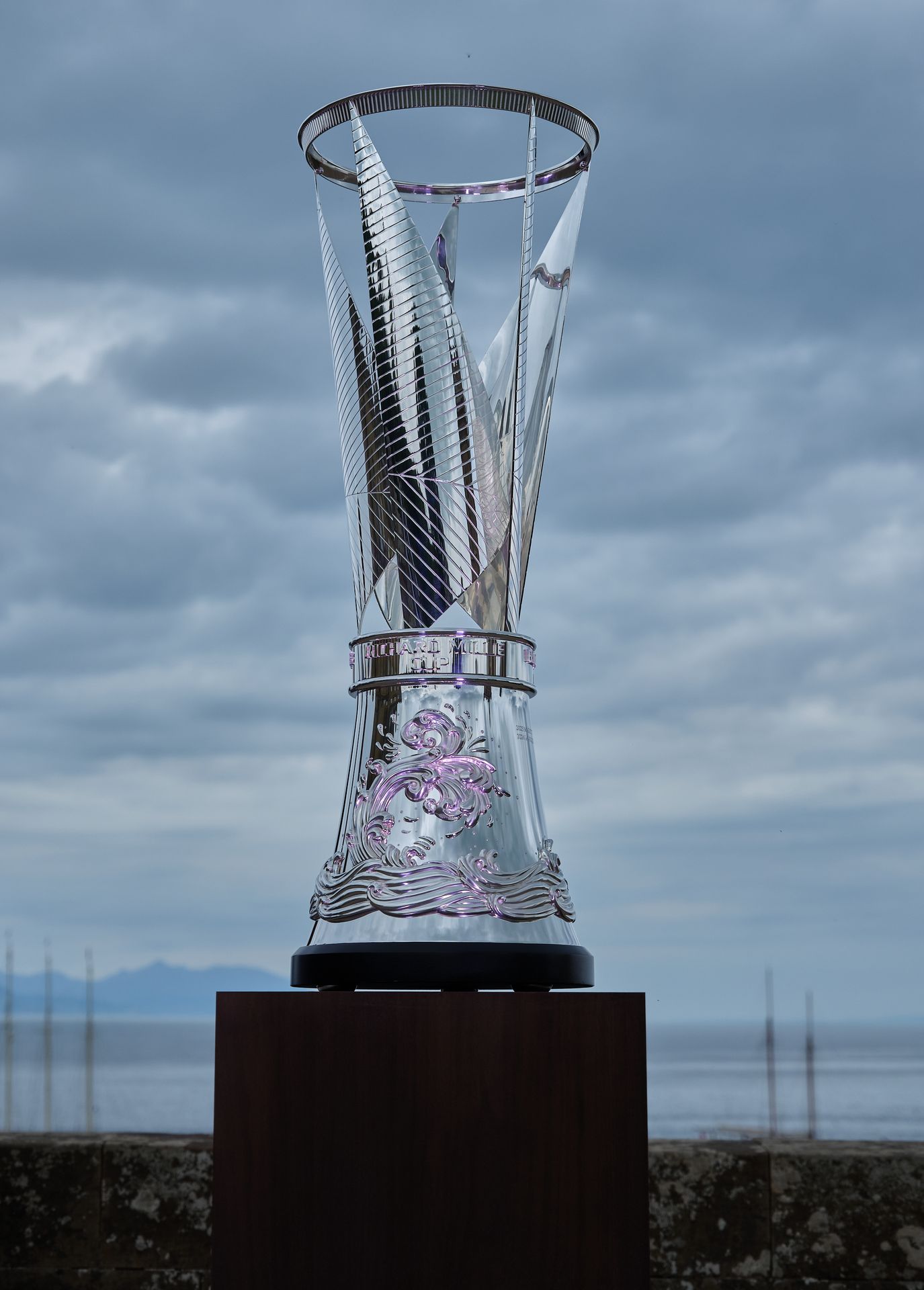
The Richard Mille Cup, a high-water mark in the world of classic yacht racing got underway today, after a sparkling reception the night before at Castle Culzean, the 17th-century Robert Adam masterpiece overlooking the Firth of Clyde.
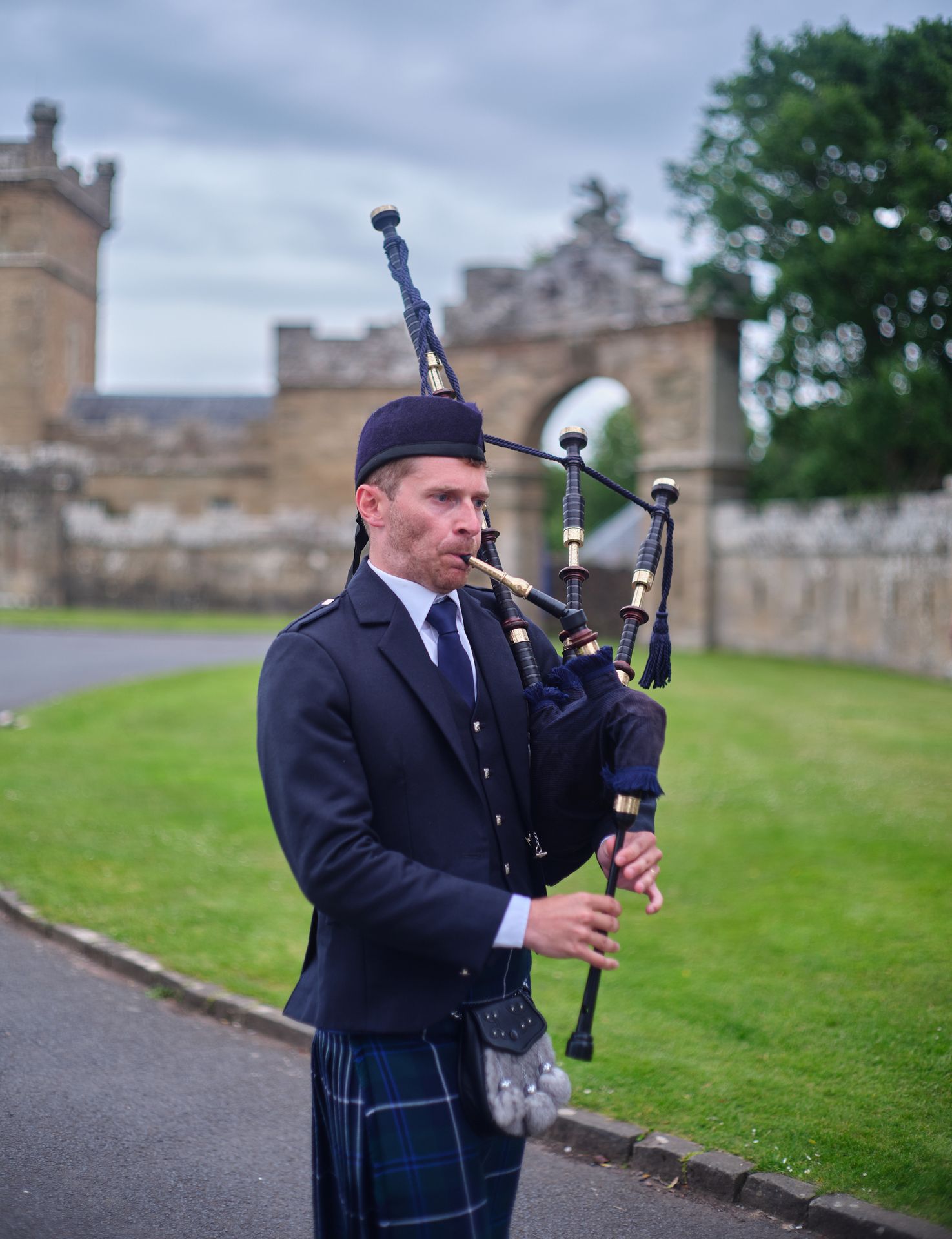
A piper welcomed the guests arriving from Britain and Europe, with a notable French presence marking this year's regatta.
The evening unfolded in a soft, Scottish light, with four harpists playing traditional Scottish songs; the sound of the Skye Boat Song was a fitting soundtrack drifting over the sea. After an opening speech by regatta co-organiser Dr William Collier, crews were treated to a tour of the castle, which famously appeared on the Scottish £5 note from 1972 to 2015, such is its symbolism to the nation. Less well known, perhaps, is the castle's symbolism to yacht sailing. The third Marquis of Ailsa was one of the pre-eminent Scottish yachtsmen of his era, at the roots of the sport we know today: he commissioned William Fife II to design race-winning boats of the time, like Foxhound, Bloodhound, Sleuthhound and Lady Evelyn. His son William Fife III, whose heyday spanned the late 19th and pre-war 20th centuries, went on to become one of the greatest yacht designers history has known. His creations are today the most famous classics in the world, and many of his left their usual haunts of the shallow waters and blue skies of the Mediterranean to come home to Scotland for this iteration of the Richard Mille Cup.
They include, this year: Mariquita (1911), Moonbeam (1903), Moonbeam IV (1920), Saskia (1931), and Kismet (1898). Mariquita and Moonbeam, at around 95ft (29m) are among the most famed and photographed classics in the world, but this year's fleet includes true giants: the two three-masted schooners Adix and Atlantic, both of them over 180ft (55m) in length and built in the modern day, but both in style of a bygone era, and recognised as among the most famed classics afloat. They are joined, in the big class, by the 137ft (42m) Elena of London, another recently built super classic. The ability to make up a class at this size is rare, even in the Mediterranean, where most of these yachts are kept.
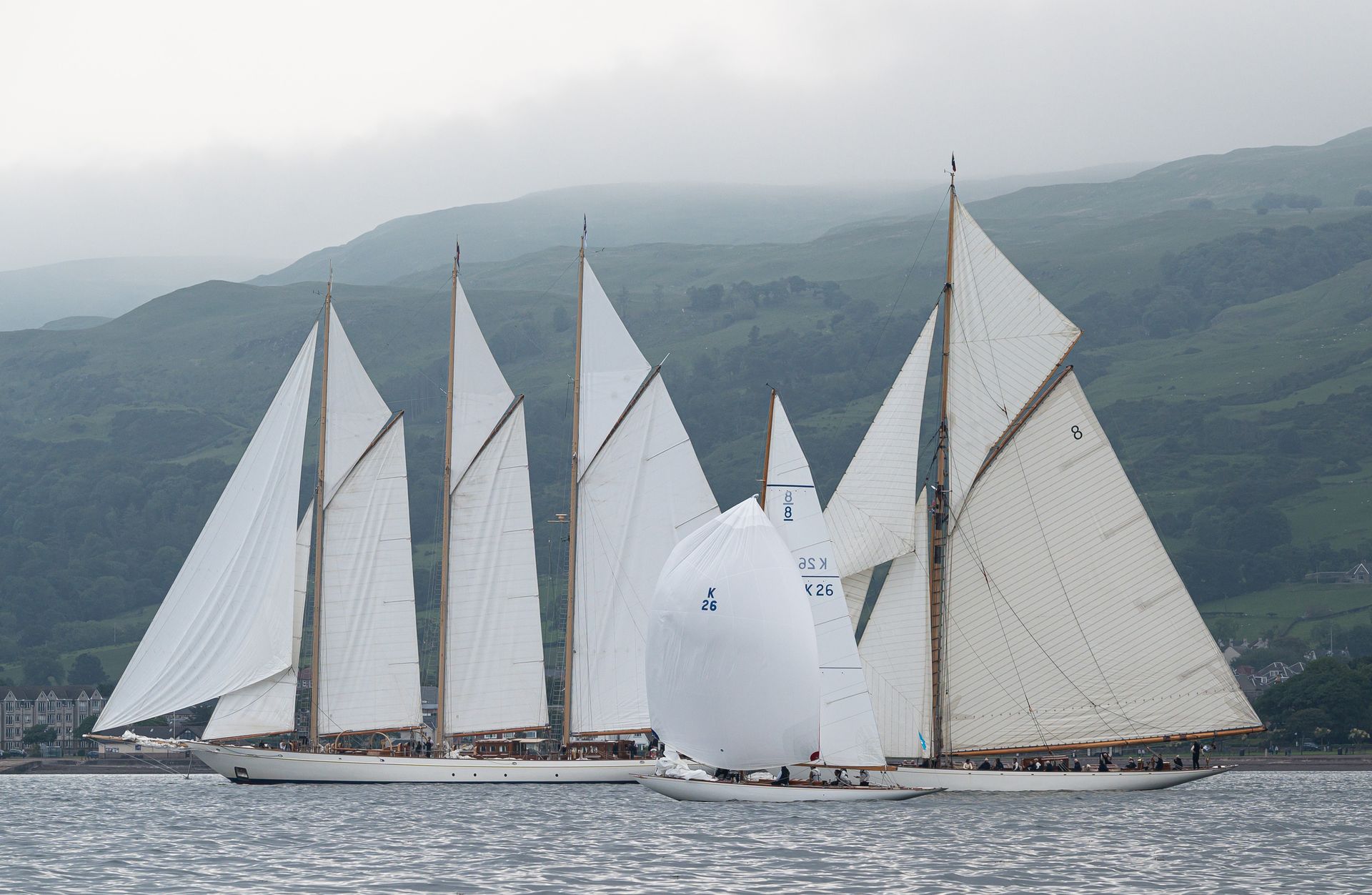
The sight of these, and other yachts to a variety of rigs, but all with a style of the late 19th or early 20th century, slipping past the green islands in the Firth of Clyde, has been a sight to a lump to the throat of spectators and crew alike. It is hard to overstate the Firth of Clyde's importance to the birth of yacht racing. As much as... perhaps more than... Cowes or Rhode Island, this is where it all began, with the genius of the Fifes, GL Watson and more, paving the way for so much that followed. It is a rare event indeed that can lure their wonderful creations, so exalted and loved today, from their usual sunnier climes to their ancestral waters, but although they may be far away, they have in fact, come home.
After the first day's racing in light airs, Fife III's Mariquita has stolen an early march, leading the fleet through a figure-of-eight course between the two islands of Cumbrea... but the show has only just begun.